

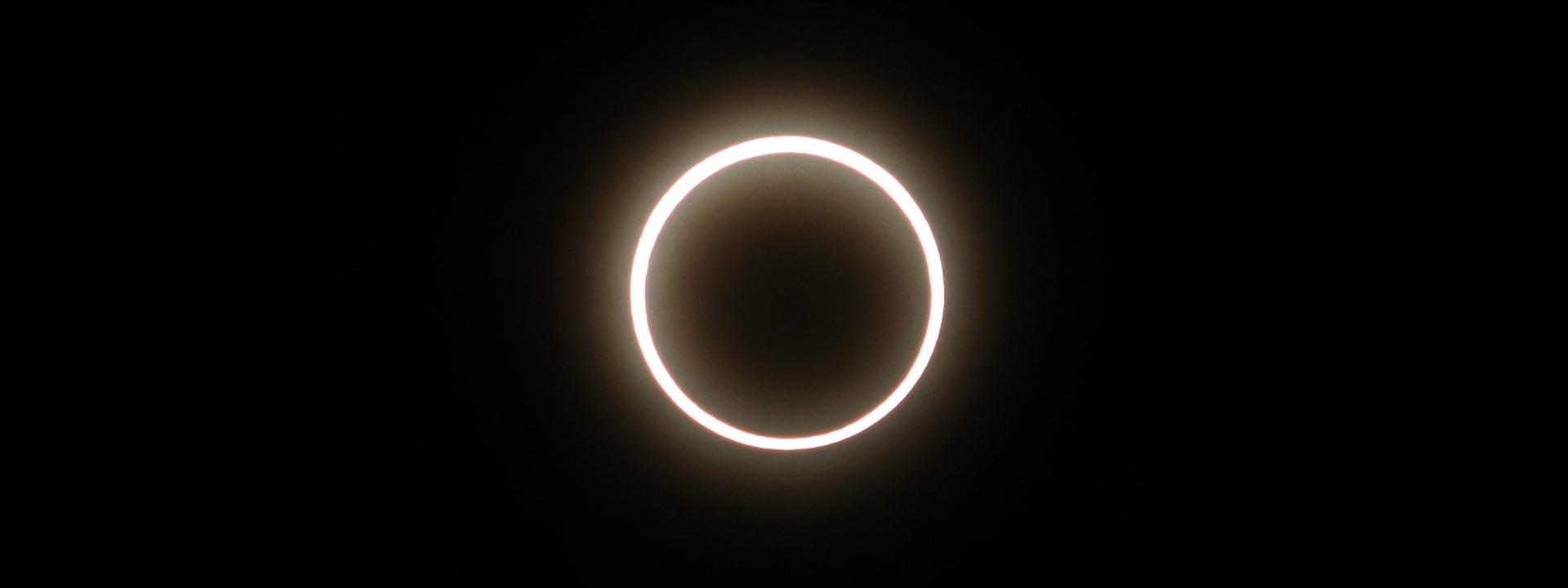
The Sun and the Moon Are Set to Meet
On August 12, 2026, around 8:00 p.m., all of France will be looking in the same direction: toward the western horizon, where a solar eclipse will take place.
You’ll need special glasses (ISO 12312-2-certified eclipse glasses) to watch the moon pass in front of the sun, gradually nibbling away at it until it’s partially obscured.
In Serre Chevalier and Briançon, the Sun will set while partially eclipsed!
In practice:
In Serre Chevalier and Briançon, the sun will be about 90% obscured before disappearing.
Unlike the last eclipse in 1999, the eclipse on August 12, 2026, will take place in the late afternoon.
To prepare for viewing, we recommend finding an elevated location with an unobstructed view toward the west-northwest.
Timeline (local time):
7:28 p.m.: Start of the eclipse (first contact; the Moon begins to edge into the solar disk).
8:00 p.m.: 80% occultation (once 80% of the Sun’s surface is obscured, overall brightness will decrease, creating an “unreal” atmosphere and a noticeable cooling of the air).
8:15–8:20 p.m.: The Sun will begin to set behind the mountains to the west (sunset at 8:45 p.m. if the horizon is flat).
8:22 p.m.: Maximum partial eclipse, approximately 94% (difficult to see because the sun will be very low on the western horizon—only about 3 to 4% of its height—and will already be obscured by the mountains on the horizon).
9:12 p.m.: End of the eclipse (last contact — civil twilight, sky still relatively bright; Venus will be visible to the left of the obscured Sun).
Enjoy the eclipse!

Thanks to Odyssée Stellaire for the text and the detailed practical information 🌒
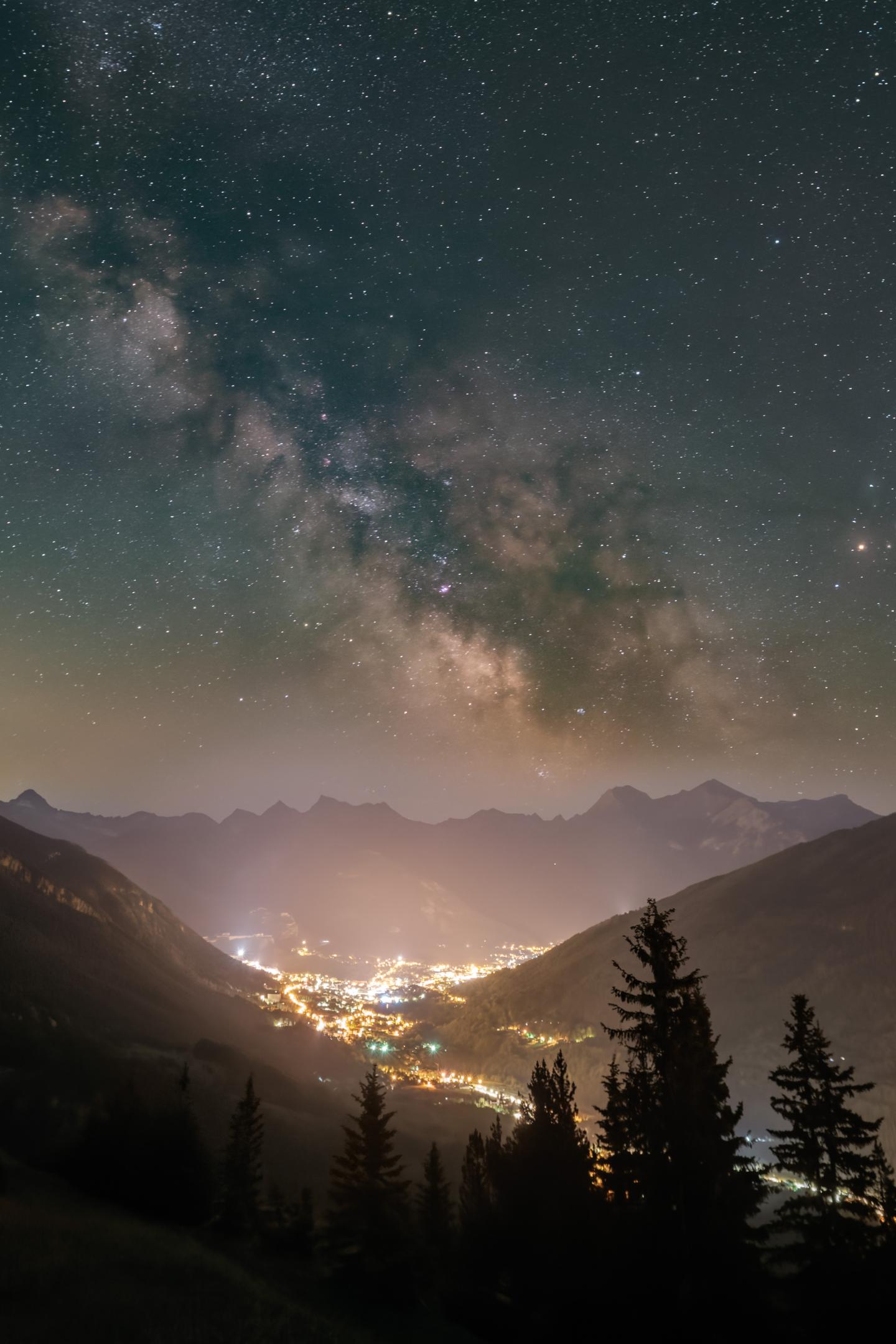
A special place to gaze at the sky—eclipse or no eclipse!
The eclipse on August 12 is just an excuse. In Serre Chevalier and Briançon, the sky is worth gazing at all year round. The high altitude, the absence of major cities nearby, and the dry high-mountain air greatly limit light pollution: the Milky Way is visible to the naked eye on most clear nights, something that’s becoming increasingly rare elsewhere in France.
The mountain passes (Granon, Izoard, Lautaret) and high-altitude alpine pastures offer unobstructed 360° views, free of streetlights and urban light pollution—observing conditions that few destinations in the Southern Alps can offer so easily, just minutes from the resorts.
In the Hautes-Alpes, this unspoiled sky is no accident: the department is one of the least densely populated in France, and the valley enjoys air quality and atmospheric clarity that are particularly conducive to amateur astronomy. This is also what allows organizations like Odyssée Stellaire to offer stargazing outings year-round, even outside of any exceptional astronomical events.
So take advantage of the eclipse on August 12 to look up—but don’t stop there.


