

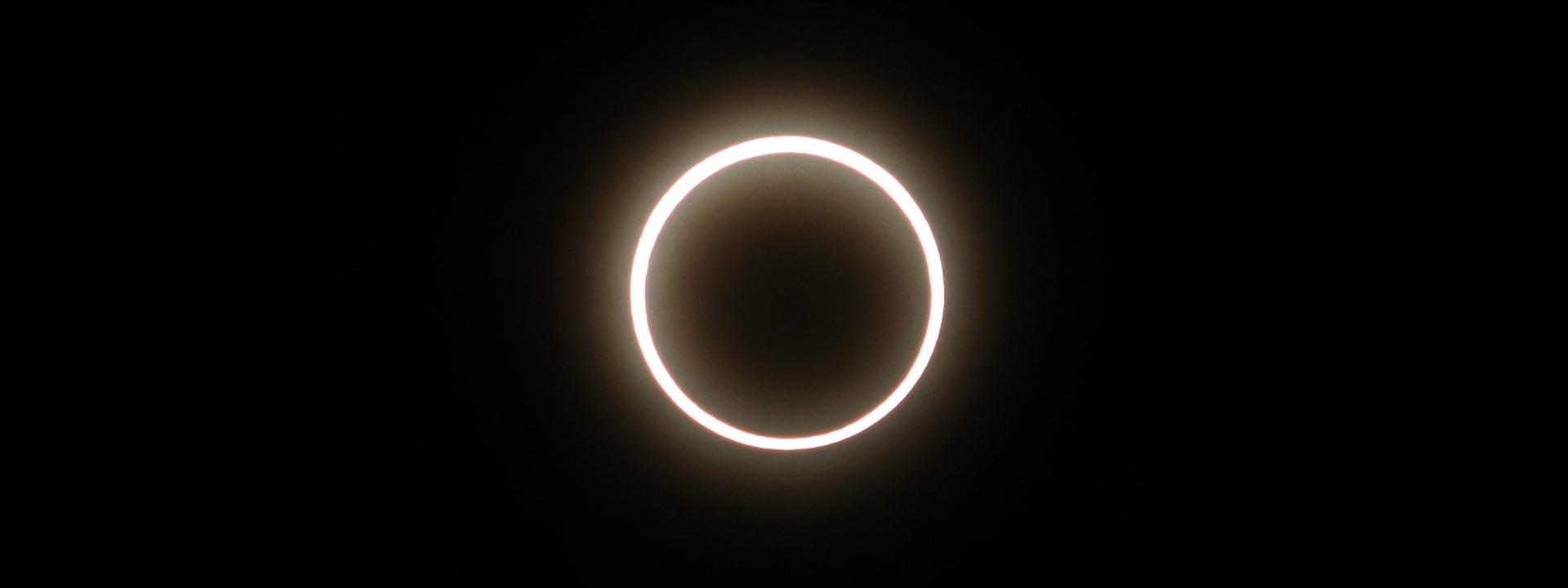
The Sun Is Meeting the Moon
Just a few days after the solar eclipse, another astronomical event awaits night sky enthusiasts.
On the night of Thursday, August 27, through Friday, August 28, a partial lunar eclipse will be visible in France.
It will begin around 4:30 a.m. The most spectacular moment is expected around 6:12 a.m.
At that moment, nearly 93% of the Moon’s surface will be plunged into the Earth’s shadow. The Moon may then take on a dark, coppery, or reddish hue.
To get the most out of the phenomenon, it’s best to get settled before the partial phase begins and look regularly toward the west or southwest as the moon descends, keeping in mind that mountains can quickly block it from view once it’s close to the horizon (moonrise at 6:57 a.m. on a flat horizon).
At the same time, you can enjoy the sunrise starting at 6:51 a.m. or a little later, depending on the mountains...
A Look Back at the August 12, 2026, Eclipse in Serre Chevalier Briançon.
On the late afternoon of August 12, 2026, all of France looked in the same direction: toward the western horizon, where the sun was setting, partially eclipsed by the moon.
In Serre Chevalier and Briançon, the sun disappeared behind the horizon, partially obscured by the moon—a rare sight, though difficult to observe this time due to partly cloudy skies at higher elevations.


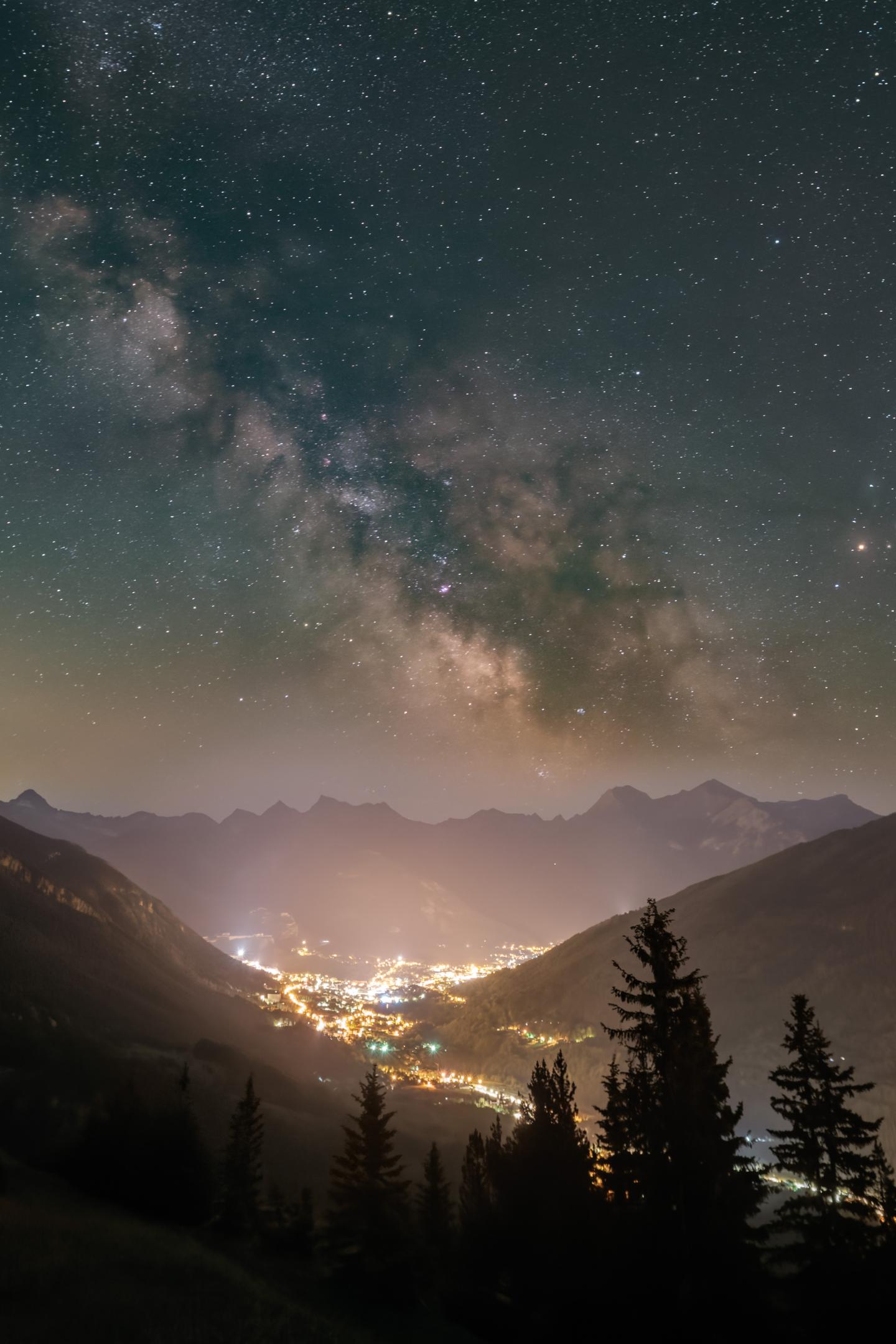
A special place to gaze at the sky—eclipse or no eclipse!
The eclipse on August 12 is just an excuse. In Serre Chevalier and Briançon, the sky is worth gazing at all year round. The high altitude, the absence of large cities nearby, and the dry high-mountain air greatly limit light pollution: the Milky Way is visible to the naked eye on most clear nights, which is becoming less and less common elsewhere in France.
The mountain passes (Granon, Izoard, Lautaret) and high-altitude alpine pastures offer unobstructed 360° horizons, free of streetlights and urban light pollution—observation conditions that few destinations in the Southern Alps can offer so easily, just minutes from the resorts.
In the Hautes-Alpes, this unspoiled sky is no accident: the department is one of the least densely populated in France, and the valley enjoys air quality and atmospheric clarity that are particularly conducive to amateur astronomy. This is also what allows organizations like Odyssée Stellaire to offer stargazing outings year-round, even outside of any exceptional astronomical events.


